
Commercial Printing
Paper Business Cards
Paper business cards present names, roles and contact details in a readable layout. Coated, uncoated and textured boards affect fine text, finishing and whether notes can be added later.

1 / 4 · White business cards with green edges
Applications
- Customer meetings
- Trade fairs and events
- Corporate introductions
- Minimum order quantity
- 500 pieces
- Finished card dimensions
- If the card will fit a holder, measure the slot first. Try a paper mock-up of a 9 × 5 cm card, for example. Telephone numbers and fine text must be readable at that finished size.
- Paper type and weight
- Grammage is weight per unit area, expressed in g/m². Boards of equal grammage can differ in thickness. Compare the surface and feel using actual samples.
- Area for handwritten notes
- If handwritten notes will be added, assess paper, coating and pen together. Coated and textured boards provide different writing surfaces.
- What is the difference between lamination and raised varnish?
- Lamination covers the card surface with a film layer. Raised varnish creates a tactile raised effect in selected areas such as logos or patterns. Choose paper texture, coatings and effect areas together; full coverage and selective highlights produce different results.
- How is QR code readability checked on a business card?
- Leave a clear quiet zone around QR codes, away from cutting lines and special finishes. Check more than the screen image: scan an actual-size sample on the selected paper and coating with different phones, and verify the destination link.
Related printing services: Offset Printing, Digital Printing
Before printing
- Quotation details
- Card size, quantity, staff numbers and any preferred paper sample help determine paper type and weight.
- Artwork and special finishing
- Check telephone numbers, email addresses and QR links in the final file. Show foil or varnish areas on separate layers, with front and back orientations identified.
Related products
All Products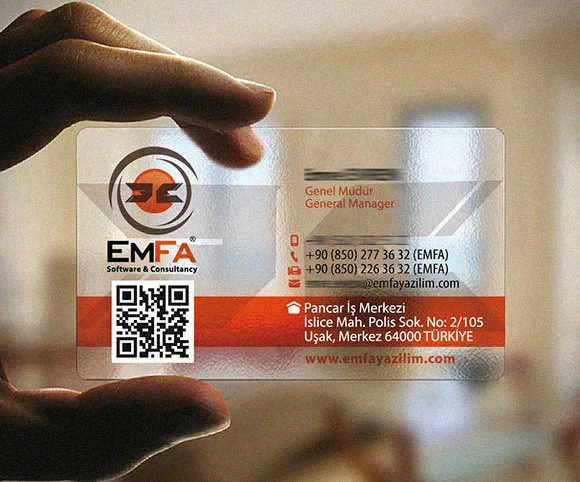
Clear Business Cards
Plastic business cards combining clear areas with colour and white ink printing.
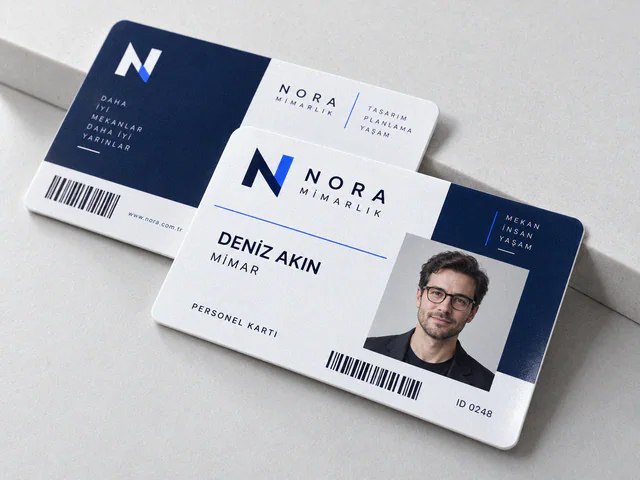
Plastic Cards
Personalised plastic cards carrying membership, loyalty and identification details.
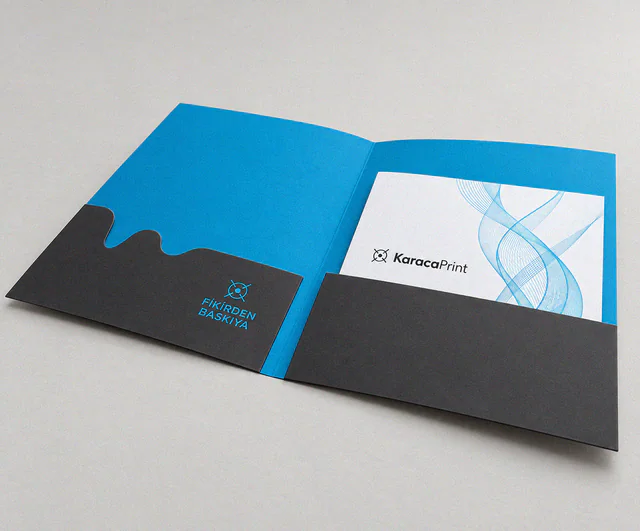
Presentation Folders
Printed pocket folders that bring quotations, brochures and business cards together in one presentation.
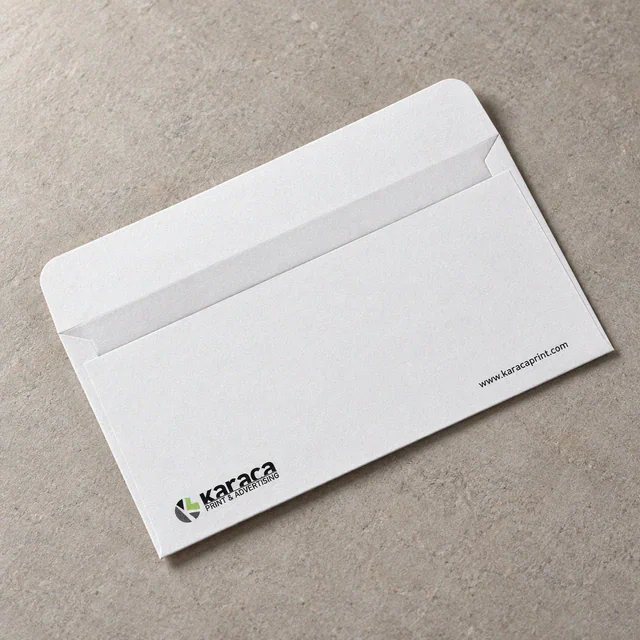
Business Envelopes
Business envelopes printed with logos and contact details, sized for the documents inside.